
Antarctica · Planning Guide
When to go, how to get there and which ship to choose
Antarctica's travel season runs only from November to March, and most luxury voyages last 10 to 12 nights from South America. You can reach it two ways: by ship across the Drake Passage, or by a short flight that skips it. The best time to go depends on what you most want to see: pristine ice early in the season, penguin chicks in the middle, whales at the end.
I sailed to Antarctica in December 2024 aboard Lindblad's National Geographic Endurance, and it remains one of the most extraordinary journeys of my life. This guide covers what I tell every client who asks me about the White Continent, from timing and ships to cost and what to pack. Read my full trip report.
01
When is the best time to visit Antarctica?
The best time to visit Antarctica is December to January for penguin chicks and long, bright days, or February to March for whale watching. November is best for untouched ice and quieter sailings. Antarctica can only be visited in the austral summer, from November to March.
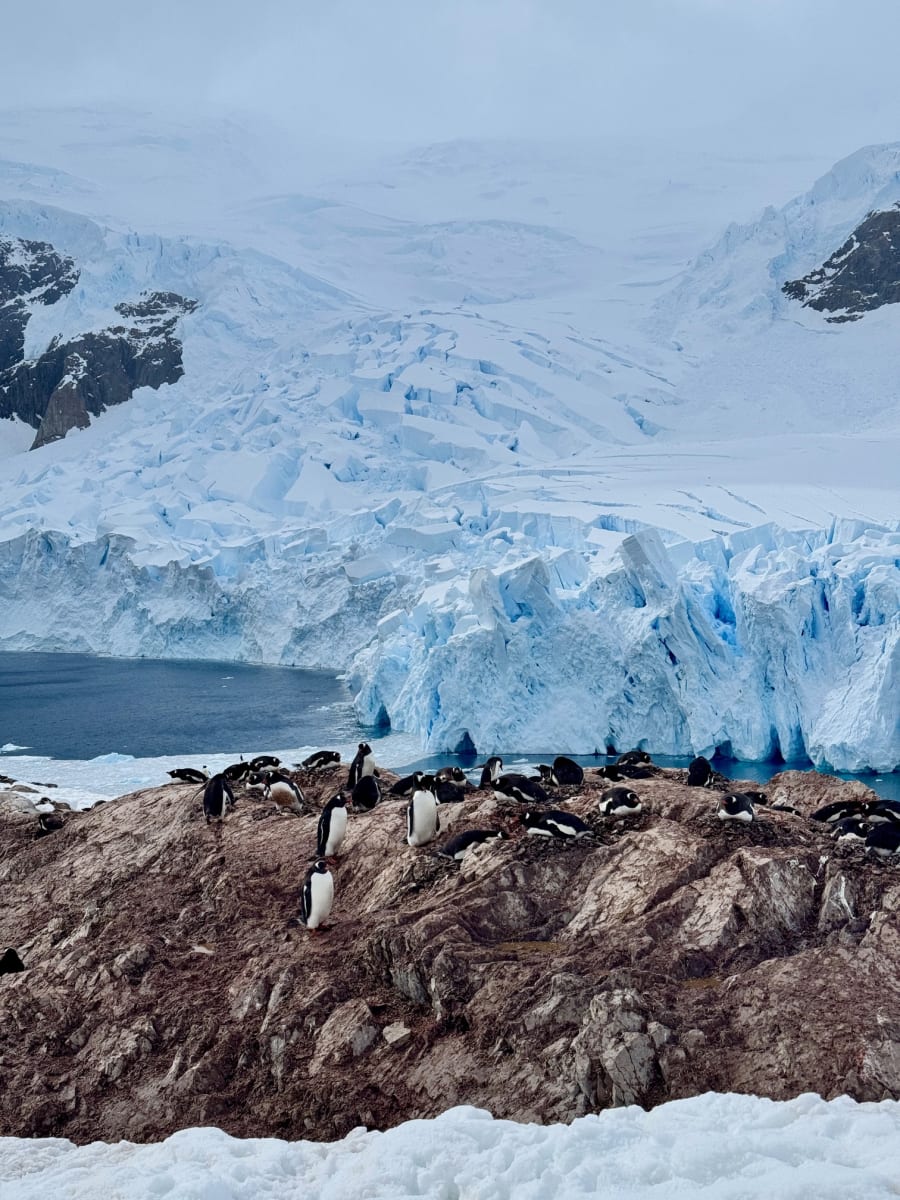
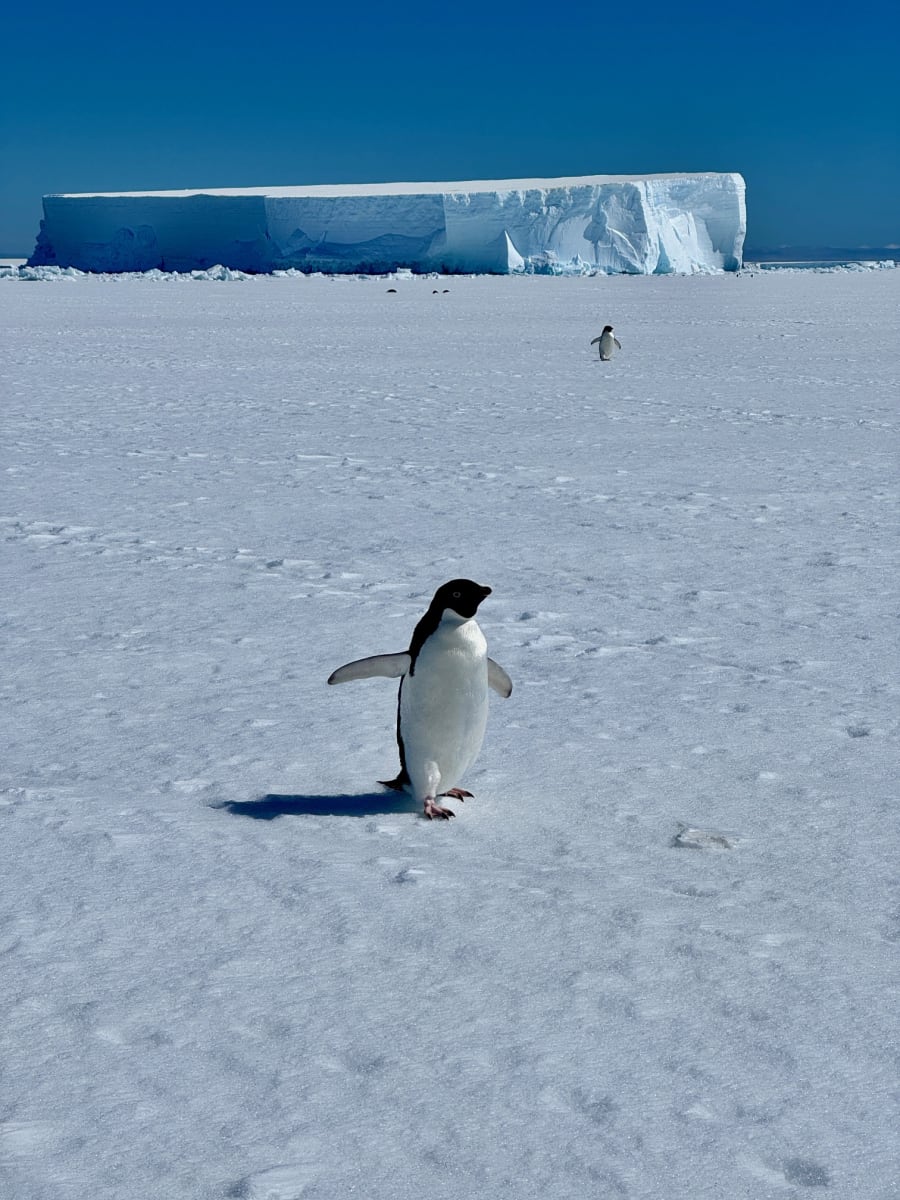
I traveled in December, when ice formations were still dramatic and penguins were nesting, and we were rewarded with breaching humpbacks, orcas and the elusive Ross seal. If you want one trip that balances ice, chicks and whales, I usually recommend mid-December through January.
02
Drake Passage or fly-cruise: how do you get to Antarctica?
Most voyages sail from Ushuaia, Argentina, crossing the Drake Passage, which takes about two days each way. A fly-cruise instead takes a roughly two-hour flight from Punta Arenas, Chile, to King George Island and meets the ship there, skipping the crossing in one or both directions.
Sailing the Drake
- Getting there
- About two days at sea each way from Ushuaia
- Best for
- The full expedition experience and travelers who handle motion well
- Trade-off
- Seas can be calm ("Drake Lake") or rough ("Drake Shake") in any month
Fly-cruise
- Getting there
- About a two-hour flight from Punta Arenas
- Best for
- Shorter trips and anyone worried about seasickness
- Trade-off
- Flights depend on weather at King George Island and can be delayed
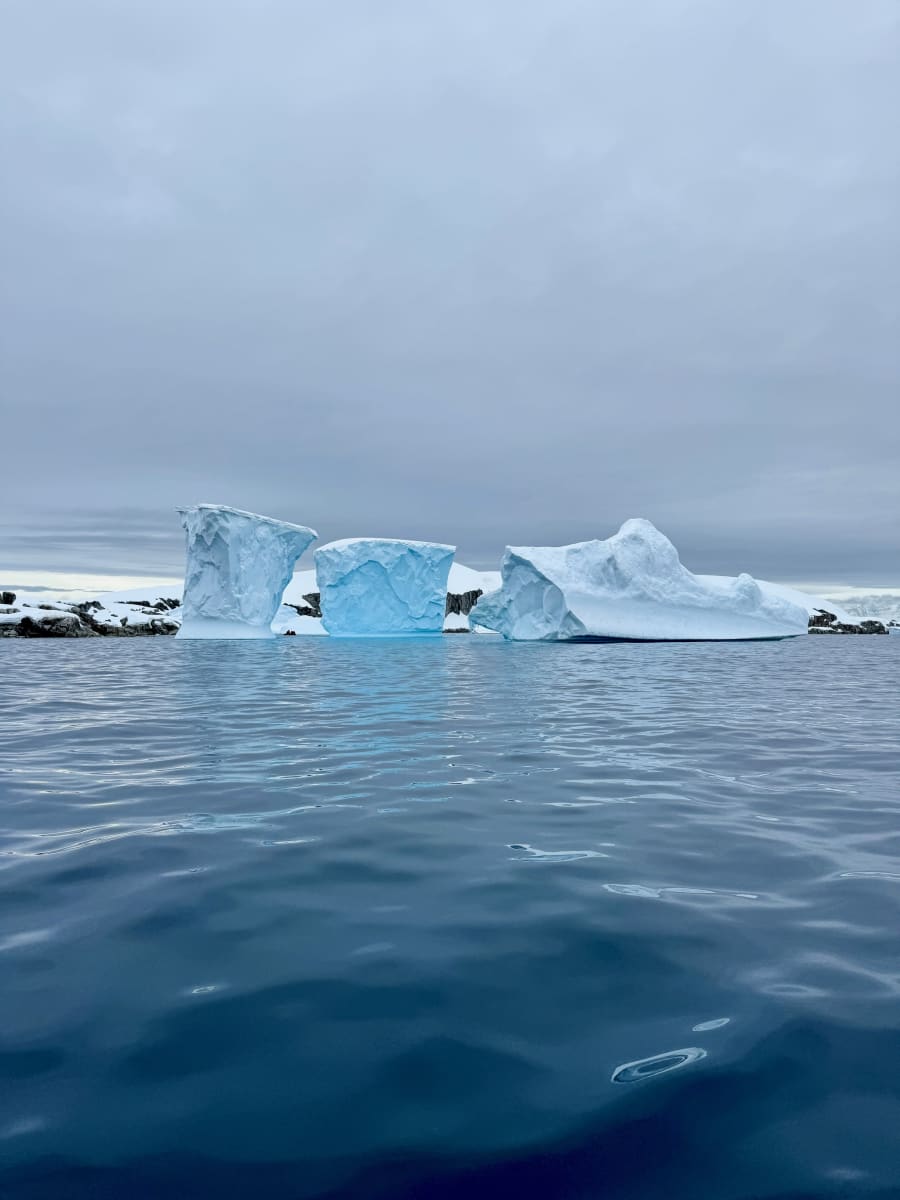
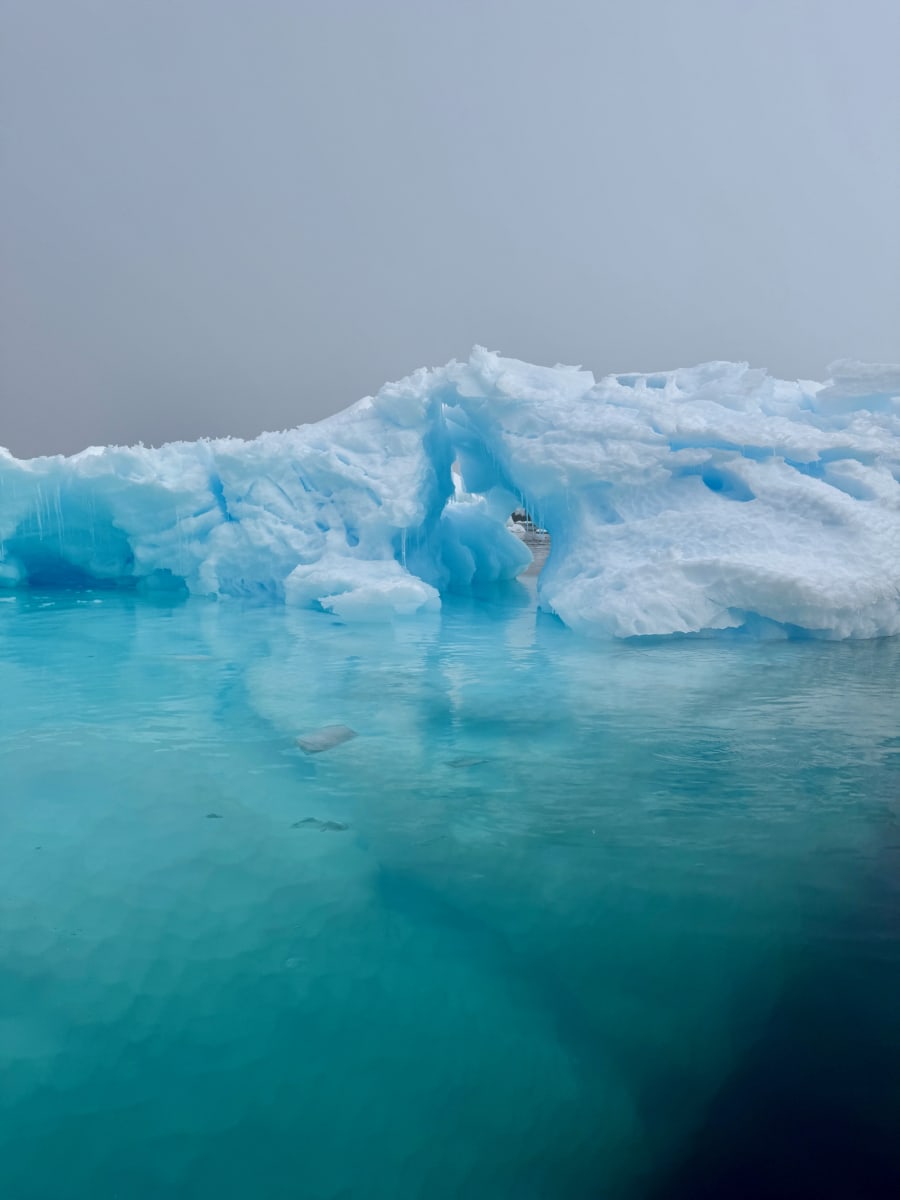
The Drake has a reputation, but I tell clients not to let it decide the trip for them. Days at sea are filled with naturalist lectures, seabird watching and time to settle in. A modern, stabilized ship makes a real difference: the National Geographic Endurance's X-Bow hull is designed for a smoother ride in rough water. If motion is a genuine concern, a fly-cruise makes Antarctica far more accessible than most people expect.
03
How do you choose the right Antarctica cruise?
Choose a small expedition ship. Landings in Antarctica are carefully managed, with limits on how many guests can be ashore at one time, so the smaller the ship, the more time you spend ashore and in the zodiacs rather than waiting your turn.
When I compare ships for clients, I look at:
- Guest countFewer guests means more landings per person and more flexible days.
- Ice class & stabilizersThey determine how far south a ship can go and how comfortable the crossing feels.
- Expedition teamThe naturalists, photographers and guides shape the trip more than the thread count.
- Activities includedKayaking, snowshoeing, camping and the polar plunge vary by ship, and some carry an extra fee.
- Cabins & comfortBalconies, spa, dining and suites, for travelers who want the expedition without giving up luxury.
Why I chose Lindblad's National Geographic Endurance
The Endurance has just 76 cabins across six decks and an X-Bow hull designed for a smoother ride across the Drake. What stood out on board:
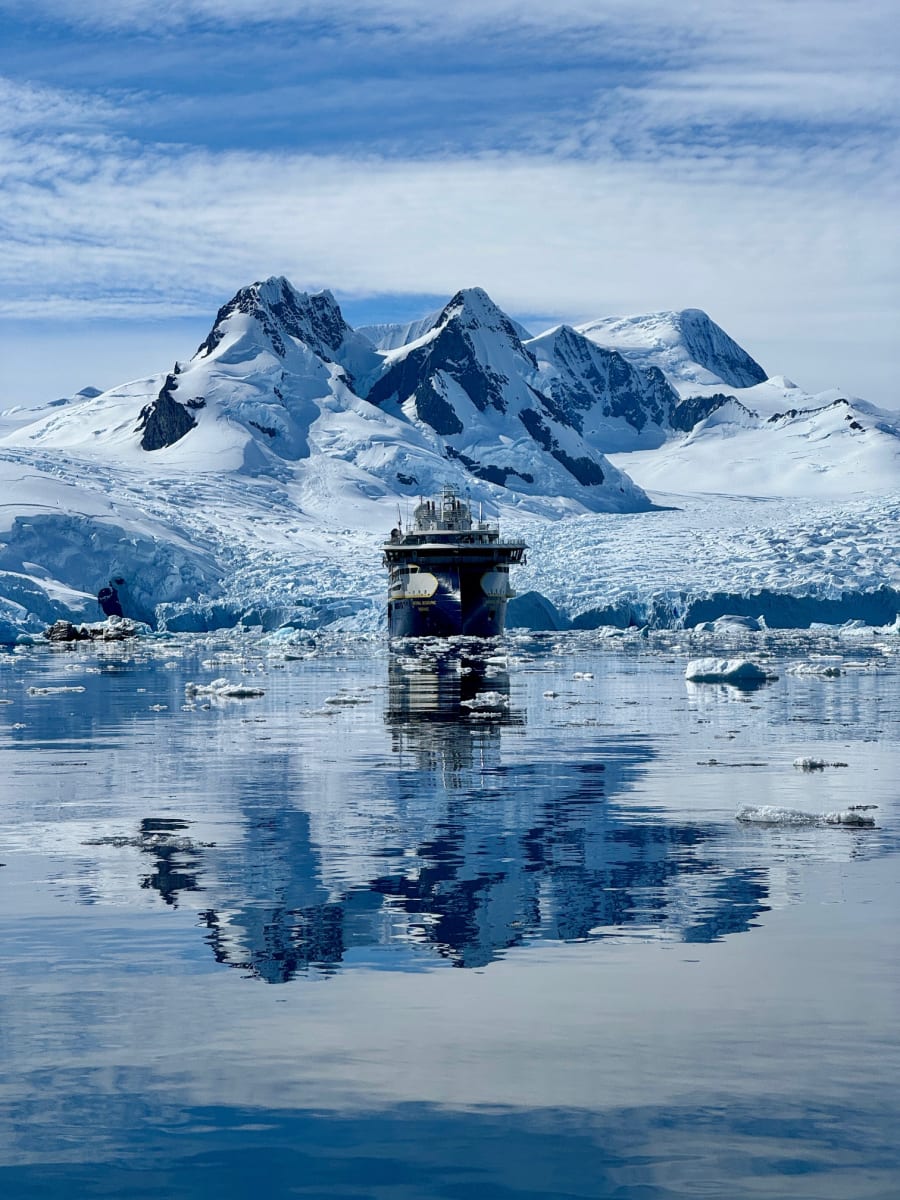
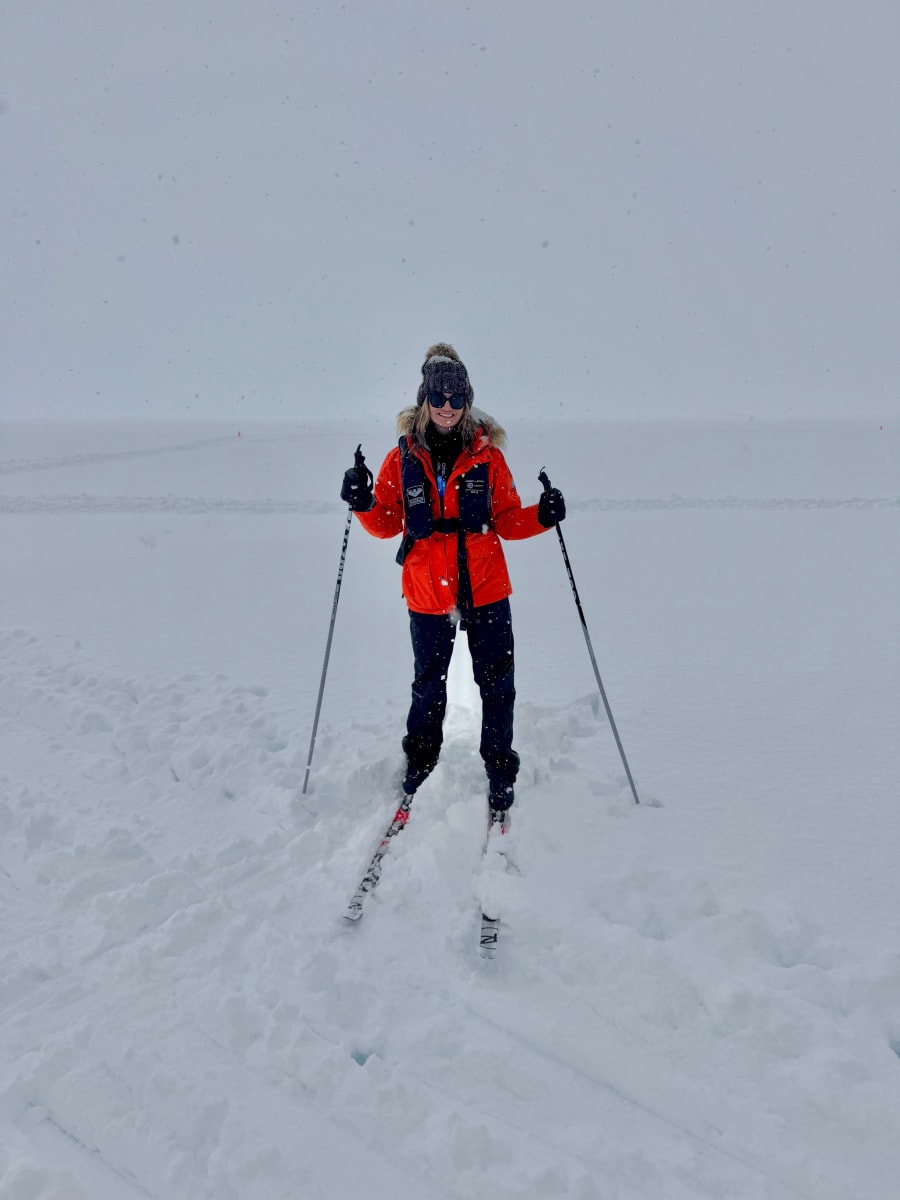
- Two outings a day, from zodiac cruises and kayaking to hiking, snowshoeing and cross-country skiing, all led by expert naturalists.
- Igloo overnights under the Antarctic sky. They book up quickly, so reserve early.
- Evening recaps over cocktails, plus optional lectures that bring each day's sightings to life.
- Thoughtful dining, including a Shackleton-inspired tasting menu told course by course.
- A spa, hot tubs and fire pits to warm up after the polar plunge.
Virtuoso benefits when you book through us$100 per person in shipboard credit ($200 per stateroom) on Lindblad expeditions. Solo travelers receive $100.
The onboard luxuries were remarkable, but the adventure itself was the true highlight. No two outings were ever the same.
Other luxury lines sailing to Antarctica include Silversea, Ponant, Seabourn and Scenic, and the right fit depends on your style, dates and budget. Most cruise lines sailing to Antarctica also run advisor-exclusive onboard credit offers.
04
What is a day in Antarctica like?
A typical day brings two excursions, one in the morning and one in the afternoon, with meals, lectures and wildlife watching from the decks in between. Plans change with the weather and the ice, and the expedition leader picks landing sites day by day.
- MorningA zodiac cruise among icebergs, a landing at a penguin colony, or a kayak paddle along the shoreline.
- MiddayLunch on board as the ship repositions, often with whales alongside.
- AfternoonA second outing, such as a hike to a lookout, snowshoeing or a zodiac cruise to watch ice calving.
- EveningA recap over cocktails, dinner, and light late into the night.
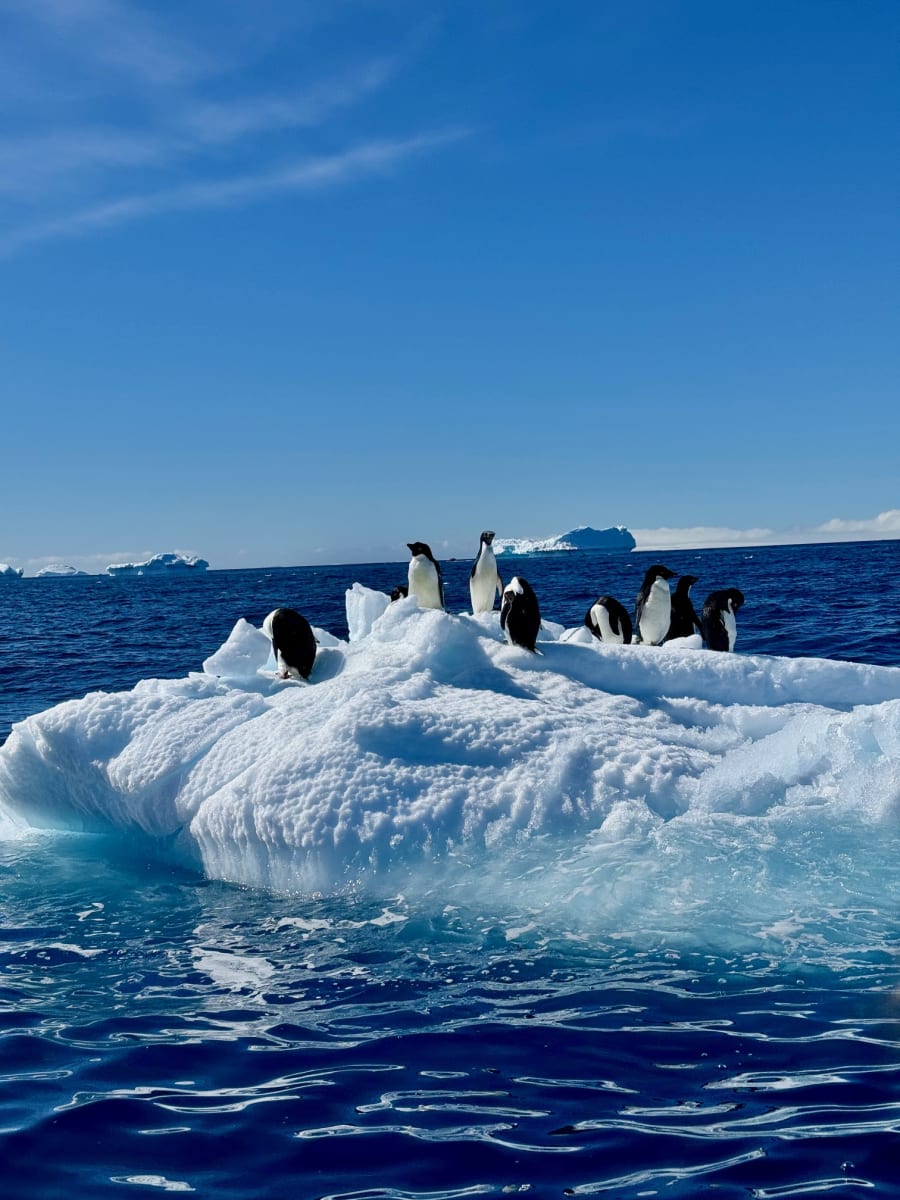
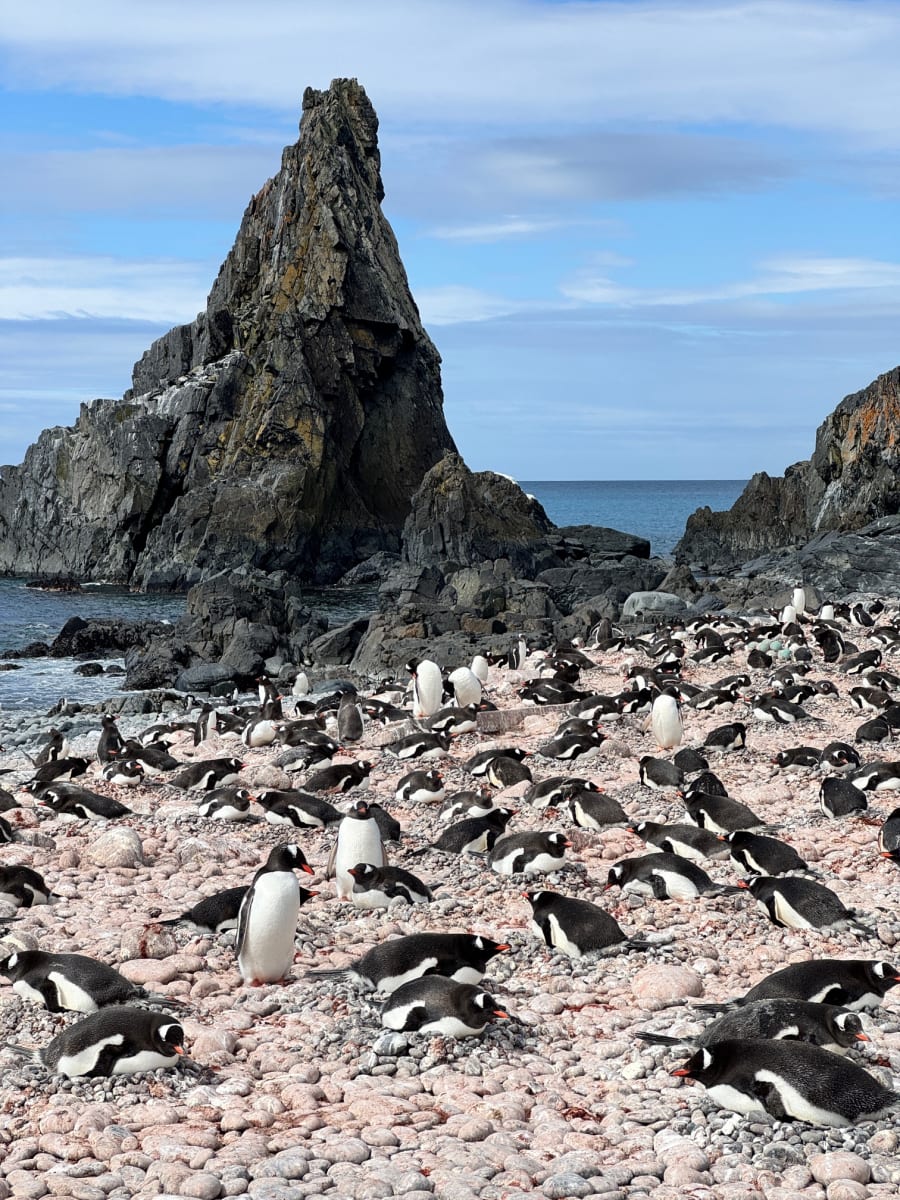
What you might see: gentoo, chinstrap and Adélie penguins; humpback whales and orcas; Weddell, crabeater and leopard seals; towering blue icebergs and glaciers calving into the sea. On my voyage, the rare Ross seal was a once-in-a-lifetime sighting.
05
How much does a luxury Antarctica trip cost?
Antarctica is a significant investment, and fares vary widely by ship, cabin, season and length of voyage. Suites, holiday dates, fly-cruises and longer voyages adding South Georgia and the Falklands sit at the top of the range. Reach out and I'll share current fares on the ships I recommend.
When comparing fares, check what's included. Luxury lines often cover the charter flight to Ushuaia, a hotel night in Buenos Aires or Santiago, a parka to keep, boot loans, excursions, drinks and gratuities. Others charge extra for kayaking or camping. Comprehensive travel insurance with emergency evacuation coverage is required.
When to book: a year or more ahead for December and January, especially holiday sailings and suites. November and March can offer better value.
What to pack for Antarctica
- Base layers: thermal tops and leggings, wool socks
- Mid layers: fleece or a light down jacket
- Waterproof pants: essential for wet zodiac landings (most ships provide the parka and boots)
- Hat, glove liners and waterproof gloves
- Polarized sunglasses and high-SPF sunscreen: the glare off the snow and ice is intense
- Binoculars and a camera with extra batteries, since cold drains them fast
- Seasickness remedies if you're crossing the Drake
- A swimsuit for the polar plunge and the hot tub
06
Antarctica travel FAQs
How long is a trip to Antarctica?
Most Antarctic Peninsula voyages last 10–12 nights from South America, plus travel days. Itineraries that cross the Antarctic Circle or add South Georgia and the Falklands run longer, up to about three weeks.
Is the Drake Passage really that rough?
It can be, but not always. Conditions range from glassy calm to big swells in any month. A stabilized modern ship and seasickness remedies help, and a fly-cruise skips the crossing altogether.
Do you need to be fit to visit Antarctica?
You need to step in and out of zodiacs and walk on uneven, snowy ground. Most activities are gentle, and expedition teams help guests of all ages.
Can you see emperor penguins on a standard Antarctica cruise?
Rarely. Emperors live deep in the sea ice, far south of most routes. Peninsula voyages bring you close to gentoo, chinstrap and Adélie penguins.
Is it very cold in Antarctica in summer?
Less than most people expect. Summer temperatures on the Peninsula often hover around freezing, though wind can make it feel colder.
Do I need a travel advisor to book Antarctica?
It isn't required, but cabins on the best small ships sell out early. An advisor compares lines, secures the right cabin and dates, and handles flights, hotels and pre- or post-trip extensions in Patagonia or Buenos Aires, often with added perks.
Begin your expedition
Plan your Antarctica expedition with Bespoke Escapes
Antarctica rewards early planning: the best ships, cabins and dates go first. I'll match you with the right ship and season, then arrange everything around it, from flights and hotels to time in Patagonia or Buenos Aires before or after your voyage.
Schedule a consultation

